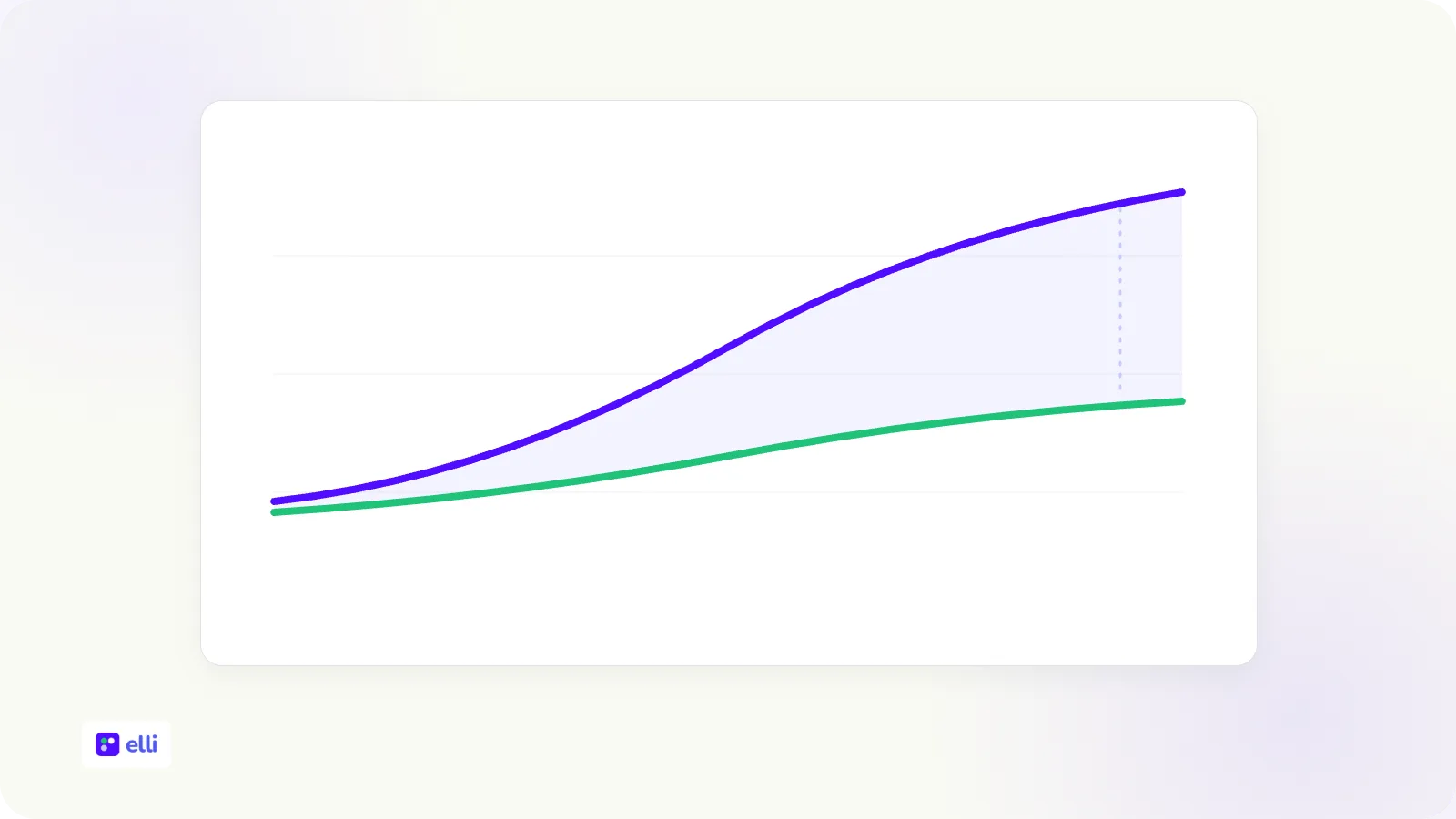
Change fatigue does not automatically mean teams are rejecting change. It is a signal that a team’s change load and change readiness may be out of balance.
When several initiatives call for attention at the same time, the same people have to keep switching gears. You notice it in lower engagement, deferred actions or agreements that don’t translate into actual behaviour. Extra communication or a training session won’t help on its own: first you need to understand what is holding the team back.
So start by mapping what is happening at team level. In this article you’ll read how to spot the signals, investigate possible causes and align initiatives with what teams can carry. You’ll also get concrete steps to pick and follow up on actions, so your decisions are based on team data and conversations instead of assumptions.
Key Takeaways
- Spot changes in behaviour and engagement, but don’t jump to conclusions about the cause.
- Map, per team, which initiatives are running at the same time and how much attention and change capacity they demand.
- Place signals next to feedback and the team’s context. Ask targeted questions to test possible explanations.
- Decide what can temporarily wait, stop or be simplified. Appoint someone to follow up on the actions.
- Use team data on usage, engagement and performance as a starting point for targeted next steps.
Table of Contents
- What is change fatigue and how do you recognise it in your organisation?
- Why do change initiatives stack up on teams?
- How do you measure change fatigue without misreading the signals?
- How do you tackle change fatigue with targeted actions?
- How does elli support organisations with change fatigue?
What is change fatigue and how do you recognise it in your organisation?
Change fatigue may point to a gap between a team’s change load and its change readiness. More is being asked than employees can take on at that moment. That doesn’t automatically mean they reject change. Look at how the various initiatives play out together in daily work.
Change fatigue is a reduced space or willingness to take on additional changes when change pressure accumulates. It is a working definition, not a diagnosis of employees. The term change fatigue is also used for the impact of repeated change. The Wikipedia explanation of change fatigue offers additional background. Always test signals in your organisation against the concrete context.
Which signals may point to change fatigue?
Pay attention to changes in participation, follow-up and the application of new agreements. A team takes part less in working sessions, defers actions or keeps asking the same questions about a new process. One signal alone is not enough to diagnose change fatigue. Place it next to the timing of initiatives and the team’s situation.
Make your observation concrete. Note, for instance, that follow-up on a new way of working has slowed since an additional project started. Then discuss what is hindering employees. Is there time to practise? Are the expectations clear? Does the new approach ask for skills the team still needs to develop? That way you investigate the possible cause instead of labelling the behaviour as unwillingness right away.
Change fatigue is not the same as resistance
Resistance is a reaction to a specific change. Change fatigue can be linked to the accumulation of change pressure, even when employees understand or support individual initiatives. That distinction helps you look beyond the attitude towards one project and also consider what the team already has to process.
There are other possible explanations too. Unclear expectations may make people hesitate. Insufficient support can cause actions to pile up. So discuss what employees understand, can do and need in order to move forward. The ADKAR model for change journeys helps you investigate where change in a team gets stuck. If you want to include the broader readiness of teams, workforce readiness during change offers a fitting frame.
Look at patterns per team and per initiative, not at loose impressions. That way you investigate more precisely whether the change load, the support or the clarity needs adjusting.
Why do change initiatives stack up on teams?
Change initiatives often pile up because projects are planned separately while teams have to execute them at the same time. A new digital system, adjusted ways of working and a reorganisation may each have their own planning and communication. For employees those changes come together in the same working week. They then demand attention, time and room to learn new routines all at once.
The number of projects doesn’t tell the whole story. One far-reaching change can ask more than several limited adjustments. So also look at the effort each initiative demands. Do employees have to learn new tasks, carry out existing processes differently, or coordinate more with other teams? That gives you a more concrete picture of the change load that can sit behind change fatigue.
Which causes can you investigate?
Start with daily execution. Are the goals of each initiative clear? Do priorities stay stable enough to finish work? Can employees see what a change concretely alters about their tasks, planning or collaboration? When answers are missing, uncertainty can lead to delay or double work.
Also check whether everyone knows what is changing, why it is happening and what is expected of them. Look at how much time line managers have to follow up on questions. If they don’t get enough space or support, practical bottlenecks can linger. Map those factors per initiative and team. That way you decide more precisely where communication, planning or guidance needs adjusting.
Why the same change hits teams differently
The same change doesn’t land in every team at the same time or in the same way. A team that works with a process every day notices an adjustment immediately. Another team may only depend on it later. Timing matters too: a change during a busy operational period asks for something different than the same change when there is room to practise.
Change pressure differs per team because tasks, dependencies, timing and available learning space are not the same everywhere. Compare teams to understand their work situation better, not to judge them as more or less willing. If changes follow each other quickly, there may be less time to absorb new agreements before the next change starts.
A change readiness assessment helps make those differences visible in advance. Look, per team, at what change is coming, which other initiatives run alongside it and what employees need in order to get started. That way you base the planning on the context of the work, not only on the central project calendar.
How do you measure change fatigue without misreading the signals?
A measurement makes visible where additional investigation is needed. It does not, on its own, explain why a team is slowing down or less engaged. So combine employee feedback with an overview of the initiatives running in parallel and knowledge of how the team works day to day. That prevents one answer or a drop in participation from being read as a conclusion straight away.
Measurement data is a starting point for investigation, not a final verdict about a team or employee. Agree in advance what you want to understand and how you will use the results. Be transparent about the purpose, the processing and who can see the outcomes. Explain how you protect anonymity and make sure the measurement is GDPR-compliant. That way employees know how their answers will be handled and why their input is being asked for.
Which questions make change pressure discussable?
Ask questions that match concrete changes and daily work. Gauge whether employees understand why an initiative is coming, what is changing for them and when the change takes effect. Ask which ongoing change affects their work the most and why. Also test whether they know where to go for support or clarification. That way you gather context, not only a general score.
| Signal | Possible explanations | Fitting follow-up question |
|---|---|---|
| Lower participation in an initiative | The timing may clash with operational tasks, or the goal is not clear. | What makes participation difficult right now? |
| Actions pile up | Priorities may be unclear or employees lack the time to apply the new way of working. | Which step needs more time or support than expected? |
| The same questions keep coming back | The impact on tasks or expectations may not be sufficiently clear. | Which information is missing to be able to move forward? |
From team signal to possible cause
Look at patterns per team and don’t draw a conclusion based on one answer. Place feedback next to the initiatives running at the same time, their timing and the team’s experiences. Do questions about priorities, for instance, mainly come back when several changes coincide? Then first investigate the planning and the available support.
A measurement method for workforce readiness helps you look at readiness systematically. Use the outcomes as a starting point for a follow-up conversation and test possible explanations. That way you turn signals of change fatigue into a focused research question, with attention for the data and the people behind the answers.
How do you tackle change fatigue with targeted actions?
Don’t turn signals into another project. Translate them into a limited number of agreements that make daily execution more workable. Work in four steps: share what you see, discuss possible causes, decide what takes priority and follow up on the actions.
Start with one team and a clear conversation
Pick one team where signals call for attention. Share the aggregated feedback and explain what the data does and does not show. Ask how employees recognise the situation. Discuss which change is demanding the most attention right now and what the team needs in order to move forward. That way you test interpretations together, instead of drawing conclusions from a distance.
Close the conversation with a concrete agreement. Note down the action, the owner, the follow-up moment and what you want to see visible by then. That could be clarity about an adjusted planning or a decision about which way of working will be kept for now.
Pick workable actions and set priorities
Not every action demands the same effort or has the same influence on the work. Use an impact-effort matrix to sort proposals by expected impact and required effort. Start with actions that address a noticeable bottleneck and are feasible within the existing operation. Discuss initiatives with high effort and limited direct impact again.
Make priorities credible by also naming what can temporarily wait, stop or be simplified. That prevents a team from simply getting extra work on top of the existing planning. Record for each initiative whether it continues, shifts or needs additional explanation. Make clear who communicates that decision.
Follow up and adjust
Schedule a fixed follow-up moment. Then check whether the agreed actions have been carried out and whether the original bottleneck is changing. Look at the same signals as before and ask the team what is running differently in practice. If an action stalls, investigate what is blocking execution. Adjust the agreement if the planning or circumstances have changed.
With that follow-up, the approach becomes more than a one-off conversation. You make visible what teams experience and which choices follow from that. With measuring and improving workforce readiness you can picture change readiness and align actions with what teams need.
How does elli support organisations with change fatigue?
Once you know which signals call for attention, you need a view of the differences between teams. elli measures usage, engagement and performance per team. That way you see where a change initiative lands and where employees may need more support. The data helps you investigate what is going on in a targeted way, without treating one team signal as the explanation straight away.
From workforce data to actionable insight
Workforce intelligence brings data together to make patterns visible at team level. One team may already be applying a new way of working, while another still has questions about the impact on daily work. Those differences give direction to the conversation and help decide where extra explanation or support is relevant.
A dashboard is a starting point, not an end result. Combine the insights with the context of ongoing initiatives and discuss possible causes with the teams involved. A pattern in usage or performance can be reason to review priorities, communication or support. Use data carefully. elli is GDPR-compliant. Also be transparent about why you are measuring, how you process feedback and who can see the results. Clear agreements about anonymity and data protection underpin trust in the measurement.
From insight to following up on change
Connect every identified cause to a fitting action. If a bottleneck lies in the planning, look at organisational level at which priority can shift. If practical explanation is mainly missing, agree with the team which information is needed and who will provide it. If it is a specific support request, make agreements with the line manager about targeted follow-up. Each time, record who takes on the action and when you check whether it has been carried out.
Then measure again what is relevant and compare the signals with the earlier situation. That way you see whether the chosen action matches what the team needs or whether adjustment is required. The value lies in the connection between measurement, conversation and follow-up. Translate team insights into concrete steps and keep the progress of change visible.
Make change workable for your teams again
Change fatigue is a signal to look again at the change load and the change readiness of teams. Look beyond isolated reactions. Place feedback next to the initiatives running at the same time and investigate what employees need to move forward.
Then pick a workable action. Make clear what can temporarily wait, appoint an owner and agree a follow-up moment. That way change becomes concrete and visible in daily work. Measuring helps you choose priorities, but the conversation with teams and the follow-up decide what happens next.
elli brings usage, engagement and performance per team into view and translates workforce data into targeted actions. The GDPR-compliant approach supports transparent measurements. That gives you a grounded starting point to understand differences between teams and align change better with what people can carry.
Make the next step concrete: discuss what a team needs, appoint an owner and record when you will review progress.
Frequently asked questions about change fatigue
What is change fatigue?
Change fatigue is a signal that employees may experience less space or willingness to take on additional changes. It is not a diagnosis and does not, on its own, explain why a team is stuck. Map which initiatives are coming together and how employees experience them. Also discuss what support is missing. That way you investigate the change context and avoid attributing a structural bottleneck to individual employees.
What are the most common signals of change fatigue?
Possible signals include recurring questions, lower participation in change activities, deferred actions or difficulty applying new agreements. No single signal, by itself, proves that change fatigue is at play. Look at which initiatives are running at the same time and ask employees what they experience. Compare patterns per team and investigate concrete situations. That way you avoid conclusions based on loose impressions or one isolated reaction.
Is change fatigue the same as resistance to change?
No. Resistance describes a reaction to a change. Change fatigue refers to a possible accumulation of change pressure, or limited space to take on additional changes. Both can occur at the same time, but don’t automatically call for the same approach. First investigate the context: look at the timing, the impact on daily work, the clarity of expectations and the available support. So don’t interpret reluctance as unwillingness straight away.
How do you measure change fatigue in a team?
Combine targeted employee feedback with an overview of ongoing initiatives and their impact on daily work. Ask whether employees understand the goals, timing and expectations and where they need support. Discuss in advance why you are measuring and how you will use the answers. Protect anonymity and be transparent about data processing. Use the results to investigate possible explanations and choose actions, not as a final verdict about a team.
How do you prevent change fatigue across multiple change journeys?
Bring all ongoing initiatives together in one overview and decide which teams have to take on changes at the same time. Make clear what has priority, what can temporarily wait and who follows up on questions. Inform employees concretely about the timing and the consequences for their work. Schedule fixed moments to review signals and actions. Adjust when the context changes. That way you make the change load discussable, without assuming that every initiative has to stop.
How can a line manager deal with change fatigue?
A line manager can make signals discussable and listen to what employees concretely experience. Clarify what is changing, why it is happening and what is expected of the team. Pick one workable action together and agree who follows up on it and when. Also make visible when priorities shift or an initiative is postponed. Don’t treat reluctance as unwillingness straight away. The conversation helps to understand causes and make the execution of daily work more workable.
When can workforce readiness help with change fatigue?
Workforce readiness helps you understand to what extent employees can and want to carry out a change. A measurement can make differences between teams visible and indicate where more clarity, support or adjusted priorities are needed. Place the results next to conversations with employees and the context of ongoing initiatives. The value lies in the combination of measuring, investigating causes and following up on actions. A score on its own does not explain what a team needs.